
The New Rules: Why It Had To Be Crazy To Work
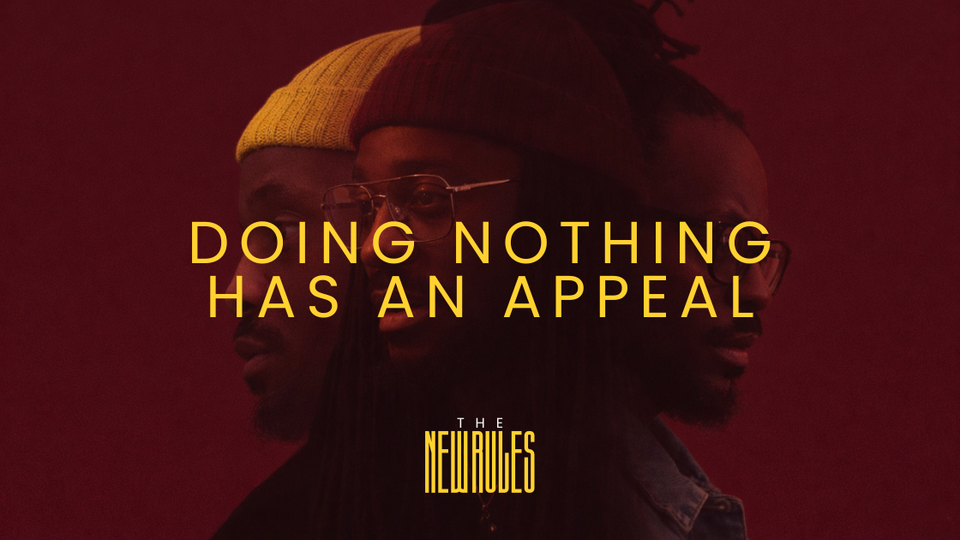
So, The New Rules has made its first premiere. If you’ve watched the 15-minute pilot episode, you just watched by far one of the most creative - and one of the craziest creations - I think I’ve ever produced.
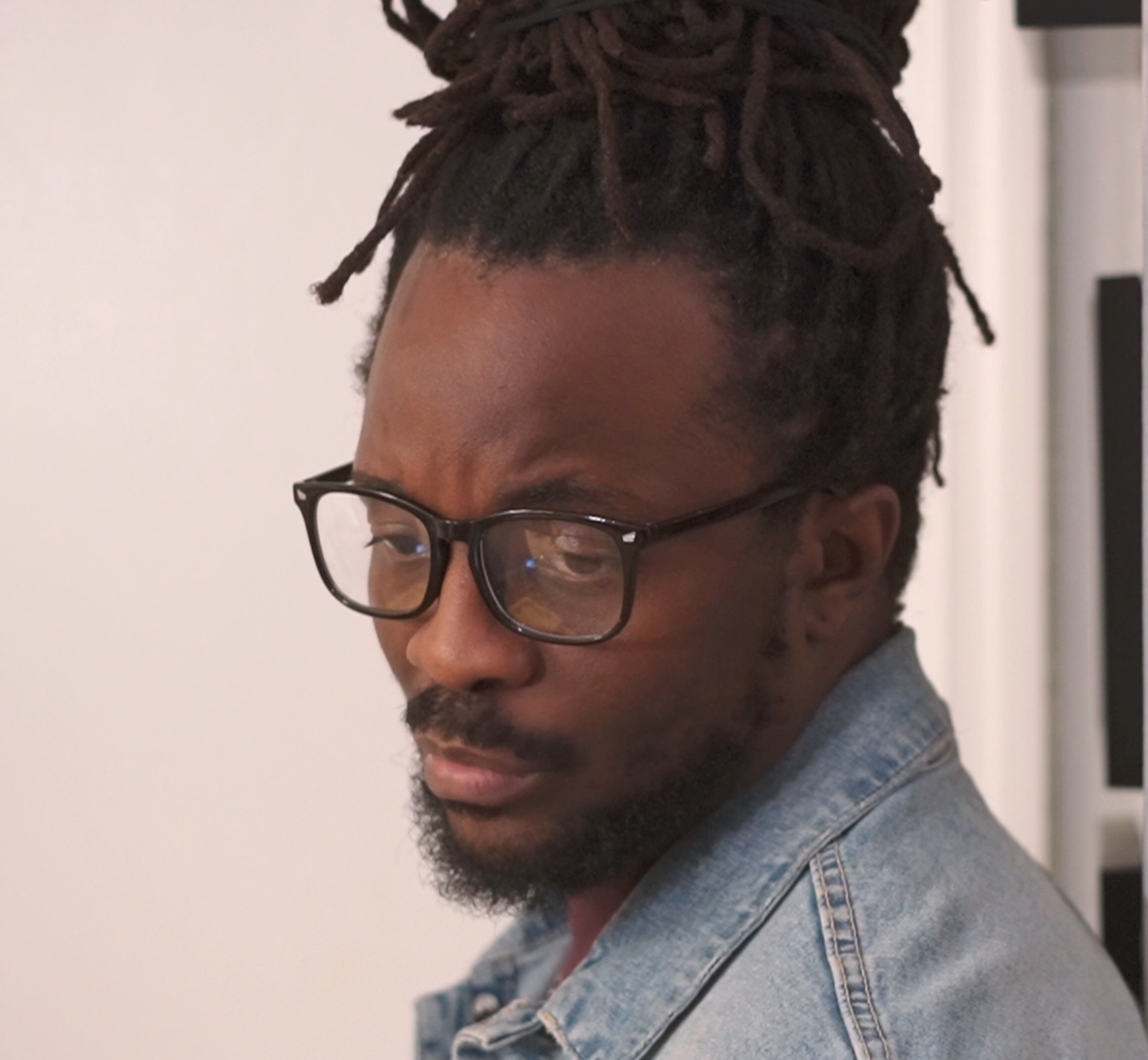
And maybe the creativity and the insanity go hand in hand, and when that finally dawned on me was when I realized that I could do something very special with this show. A completely unscripted series featuring me talking to three other versions of me - yeah - it works because the execution is both creative and crazy, and that’s actually done on purpose.
…life can sometimes be nice when there’s nothing happening.
The path to discovering Substack was not without frustrating roadblocks, limitations of platforms, and the forced necessity to “choose a niche”. Instagram forces you to choose a niche. It limits your durations, dimensions, and even your content’s focus. Patreon also had its limitations in how video content could be delivered as well, but in Substack, I used the phrase “my creativity lives here”, which opened up a can of worms for both discussion and execution that is a really important, unspoken piece of this first episode of “The New Rules”.
Scene vs. Summary
In Creative Writing, there’s “scene” and there’s “summary”. While Summary let’s you recall events and experiences as the first person source, I feel like it’s limiting because it doesn’t allow us to actually relate or fall into the experience. There’s no getting lost in the anecdote and when you think of how much media is consumed as audio content, then you realize that books, crime podcasts, and the Calm app are able to take you to places, feelings, and experiences that are earned. Summary is DJ Brightlight and I sitting on a couch for a podcast talking about when I threw his plate of pasta while we sat at a South Beach restaurant 16 years ago1. The recollection and the descriptions might sound interesting, but it’s really just two dudes talking. It’s hard to go more in-depth into the story to pull in the audience without providing a visual of some sort. And that’s the downfall of podcasts. I’m listening to a podcast, but i’m watching a talk show and there’s no supporting B-roll or additional footage to keep me engaged.
Scene gives you the complete opposite.
The biggest challenge I had with creating “The New Rules” was that it required me to answer what I would consider “limiting questions”. What genre will it be? What category would it fall under? Will it be audio or visual? Should it be serious, entertaining, informative, or should it be about my creativity? And the true answers to those questions was, “Fuck that, I want it to be all of that”.
And when I analyzed my content on Instagram across the last eight months, there was an interesting trend. My content could be broken down into four categories: generally educational, artistic/creative, funny content, and content about myself or my life. Isn’t that the plight of creatives and entrepreneurs on social media? Don’t a lot of them have to dance and do skits and try their darnedest to remind you that while you laugh, Ooo, or Ahh, that they’re selling a product or service for you to enjoy. Maybe the dentist’s office should include content where he sprinkles crumbled toothpaste gum into a patient’s mouth like SaltBae - yeah, that’ll do it.
Part of me wants to challenge the fallacy because attention spans have gotten shorter, we should all dance and girate on the internet to get increased engagement. That’s what They say, but until then, I wanted to illustrate the tension between the different facets of ourselves having a discussion to see how decisions have to be made. We now use the phrase multi-hyphenate to describe people who do more than two creative disciplines, but that’s actually any and all of us. None of us are just one thing.
Hell the whole selling point of the smartphones that we are carrying in our pockets is that they aren’t just one thing. Your phone is a phone, an alarm clock, a camera; it has an accelerometer, it has a thermostat, two or more microphones, it plays music. It has range.
So, why can’t you?
The Appeal Of Nothing
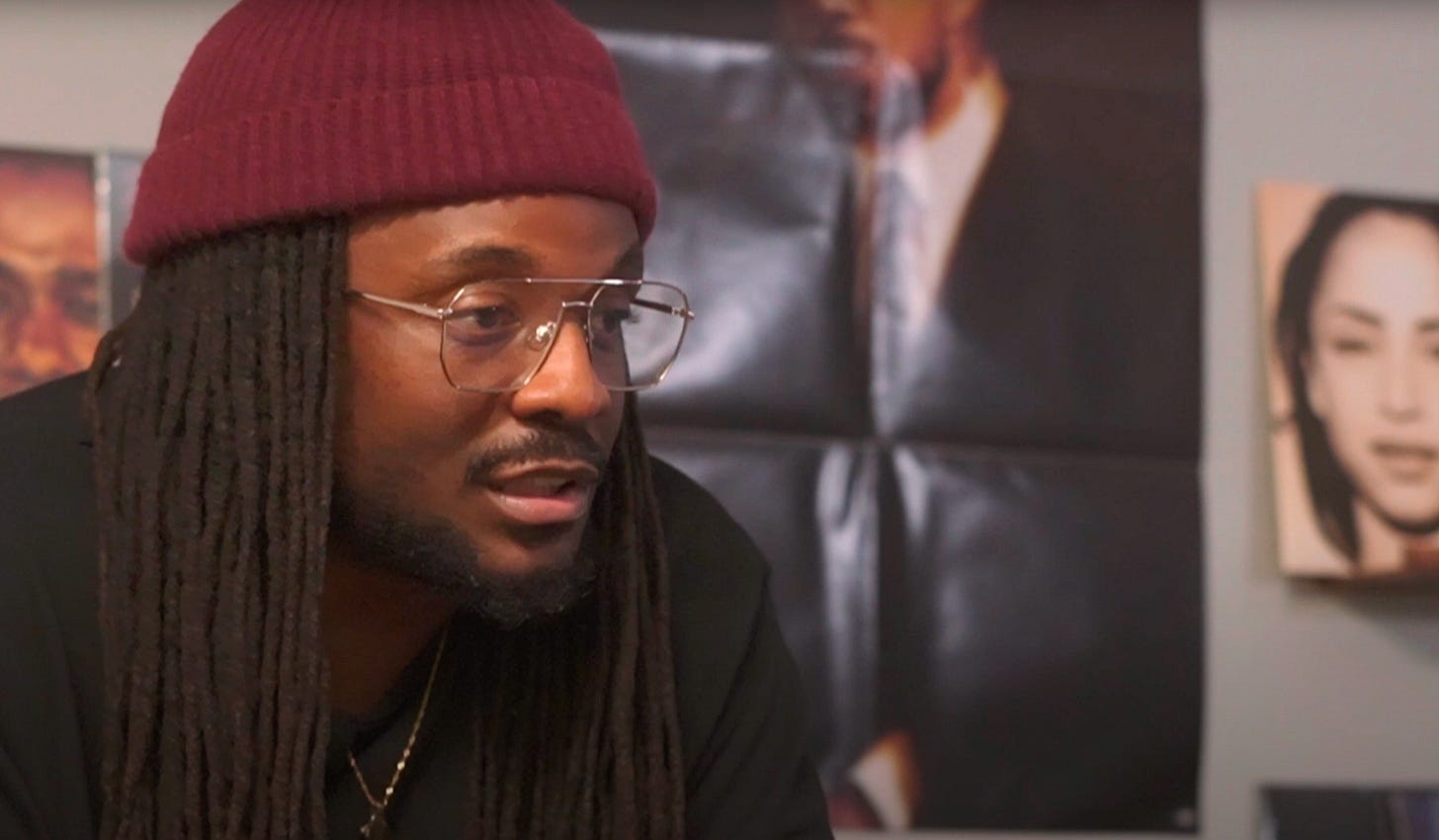
Chances are that after seeing “Doing Nothing Has An Appeal” and the mention of how powerful of a device you have in your hand, you probably won’t just jump into action. Since the show started out as an idea last year, I didn’t. I analyzed. I thought of what the show would look like if it played more like a late-night talk show. I played with the idea of going full-blown Howard Beale2 from time to time, mostly to play on the idea of how content has to have antics. The more I ideated, the more cynical I got. The more cynical I got, the more I explored the idea of doing absolutely nothing.
“More sleep, less noise, and less feedback,” as Reflective Alex said.
That cynicism is what lead me to post the video in discussion, the viral Beets video that generate now 2.3 million views on Instagram. It was the small follow-up videos and the ideas that came pouring in the comments that reminded me that the fact that I viewed the comments as ideas was exactly the reason I wouldn’t just be able to remain idle with an idea like “The New Rules”3.
Because as a creator, I know that I want my content - even the funny stuff - to be disruptive. I require that my video work create physical reactions. I want my funny content to make you cackle and laugh, “Nah, that’s for real”, and I want all of it to feel sourced from a creator that was intentional, intellectual, and aware. There were once millions of creators on the internet. In fact, long before we were called “creators”, we were just internet users - just YouTube users, using our profiles and our smartphones for whatever the hell they could be used for on YouTube. The option and choice to do nothing didn’t come from an excess of creativity, but an increase in limitations. People ideated, people tried, and then people stopped trying, all because the appeal of doing nothing meant that you could go get a job, make money, hear less feedback, sleep more, and feel the weight of far less noise while you sit in the ever-growing audience.
On the first episode of my podcast, I could have talked about this internal struggle, but I wanted it to be felt instead; to be seen; to be presented with the reality that those 15 minutes on screen might actually be the internal tennis match that we deal with maybe across 15 days, or 15 weeks, or even 15 years. And just like this first episode, all that planning may still end with “To Be Continued”.
Doing nothing and sitting on your ideas honestly has so much appeal, because life can sometimes be nice when there’s nothing happening.
The New Rules Premieres March 24th
The 15-minute pilot you watched is the physical proof that you don’t have to pick a side or stay in a lane. That internal tennis match between being an artist, an educator, and an entrepreneur is exactly what makes the work feel human. We are done with the “summary” of podcasts and the “niches” of Instagram.
Everything leads to March 24, 2024, when The New Rules officially launches as a full series and Substack publication. If you want to see what happens when a creator stops listening to “them” and starts listening to the range of their own voice, this is the time to lock in.
Here is how you stay ahead of the curve:
- Subscribe to the Substack to get the raw, unscripted truth behind every episode delivered to your inbox.
- Subscribe to the YouTube channel and hit the bell so you’re in the room when we drop the first full episode on March 24th.
- Go back and re-watch the pilot—there are layers in those “four versions of me” that you probably missed the first time.
The New Rules is a reader-supported publication. To receive new posts and support my work, consider becoming a free or paid subscriber.
The era of doing nothing is over. I’ll see you on March 24th.
1 Based on a true story, I really did throw DJ BrightLight’s plate of pasta while we were at a South Beach restaurant. The details, for now, aren’t important.
2 Howard Beale is a fictional character from the 1976 movie, “The Network”. In the film, he struggles to accept the ramifications of the social ailments and depravity existing in the world. His producers exploit him for high ratings and avoid giving him the psychiatric assistance that some, especially news division president and his best friend, Max Schumacher, think he needs.
3 The New Rules” was indeed an idea of a presidential campaign name idea. For almost eight years, I’ve messaged Maya Brown about being my campaign manager, but realizing that I didn’t have enough felonies to qualify for president, the campaign name stuck around and here we are.
Member discussion